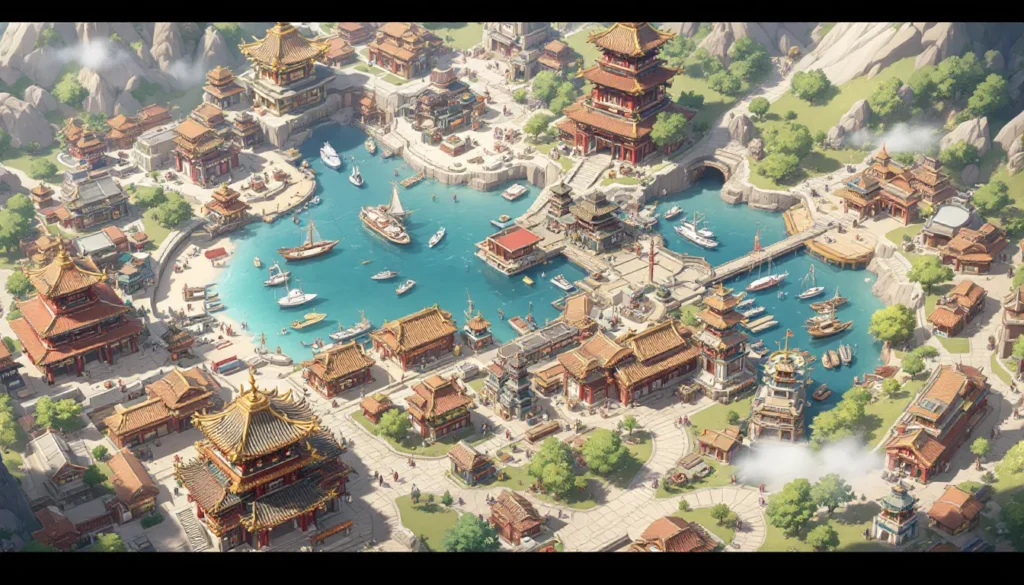
Liyue stands as one of Genshin Impact’s most captivating regions, a place where commerce thrives, ancient traditions meet modern intrigue, and secrets hide around every corner. Whether you’re a fresh explorer just arriving in the harbor or a seasoned adventurer hunting the last unclaimed chest, Liyue demands respect and strategy. This region isn’t just a pretty backdrop, it’s packed with story, combat challenges, and resources that’ll shape your progression. The Qixing govern with precision, merchants haggle in the streets, and the Adepti watch from on high. Understanding Liyue means understanding a massive chunk of Genshin’s lore, economy, and endgame farming routes. This guide breaks down everything you need to know about Liyue in 2026: where to go, who to meet, what to collect, and how to make the most of your time there.
Table of Contents
ToggleKey Takeaways
- Genshin Impact’s Liyue region is the economic and political heart of Teyvat, home to critical Archon Quest storylines, meta-defining characters like Hu Tao and Zhongli, and essential farming routes for character progression.
- Explore Liyue systematically by districts—Liyue Harbor, Minlin, the Chasm, and Stone Forest—each offering distinct resources, puzzles, and enemy types that support different farming and leveling goals.
- Collecting over 400 chests and 131 Geoculus across Liyue generates substantial Primogems and stamina bonuses; use interactive maps strategically to maximize high-value luxurious chests without sacrificing discovery.
- Master domain challenges and elite enemy camps on 48-hour respawn cycles to farm ascension materials efficiently; prioritize domains with elemental bonuses matching your team’s elements.
- Complete World Quests, particularly the Wangsheng Funeral Parlor chain, to unlock secret areas, puzzle solutions, and hidden chests that significantly boost overall resource intake.
- Plan Original Resin spending carefully by identifying your character priorities first, then routing daily or bi-daily specialty farming to build sustainable long-term stockpiles for ascension and talent leveling.
What Is Liyue and Why It Matters
Liyue is Genshin Impact’s second major region, based loosely on Chinese culture and aesthetics. It’s the economic and political heart of Teyvat, ruled by the Qixing, the seven leaders who handle everything from trade to law. Unlike Mondstadt’s more whimsical, wind-themed landscape, Liyue feels grounded in tradition, commerce, and stone. The region serves as the setting for the game’s second Archon Quest chapter, introducing players to the Cryo Archon and deepening the mystery surrounding Celestia and the gods.
Why it matters: Liyue isn’t just narrative window dressing. It’s home to critical farming routes for ascension materials, some of the game’s toughest domains, and several limited-time events that shaped early Genshin’s meta. Characters like Hu Tao, Zhongli, and Yelan come from here, and many meta-defining support weapons drop from Liyue-specific sources. The region also introduced mechanics like the Fatui Harbingers, world-level enemy variety, and puzzle types that became series staples. If you’re serious about progression, understanding Liyue’s layout, resources, and enemy patterns is non-negotiable.
The region’s economy theme also ties directly to gameplay: you’ll spend significant mora (the in-game currency) on talent leveling, weapon ascension, and artifact enhancement. Liyue’s merchants and domain rewards are often the most efficient sources for these needs.
Geography and Districts of Liyue
Liyue Harbor
Liyue Harbor is the bustling heart of the region and your first major hub. It’s where the Qixing conduct business, merchants peddle wares, and the Northland Bank operates (whether you trust them or not). The harbor stretches across multiple tiers, from the docks at sea level to the upper administrative districts. Key landmarks include the Jade Chamber (the Qixing’s floating palace), the Adventurers’ Guild branch, and the Yanshang Teahouse.
For players: Liyue Harbor is your main pit stop for quests, NPC interactions, and story progression. Early on, you’ll spend a lot of time here clearing Archon Quests. Later, it becomes a quick waypoint for daily commissions and bounties. The puzzle density is moderate, expect a few easy chests and some Electrogranum-locked areas. The harbor is also where you’ll find some of the region’s most memorable NPCs, particularly Ningguang and Keqing, two of the Qixing’s most prominent leaders. Understanding the layout helps you navigate quests more efficiently and spot secrets that are easy to miss on first playthrough.
Minlin and The Chasm
Minlin sits to the east of the harbor, characterized by its green valleys, waterfalls, and agricultural zones. It’s where Hu Tao’s Wangsheng Funeral Parlor operates, and where you’ll encounter a mix of Hilichurl camps, Fatui checkpoints, and Adepti-related mysteries. The Chasm, Liyue’s underground cavern system, branches off from Minlin and extends deep beneath the earth.
For players: Minlin is crucial for farming. It’s home to Silk Flowers, Philanemo Mushrooms, and several elite enemy camps that drop valuable ascension materials. The Chasm introduces verticality and more complex puzzles, including ancient mechanisms and Scarlet Quartz breaking puzzles. This area unlocked with patch 2.6 and fundamentally changed how players approached Liyue’s lower half. The Chasm also houses the Ley Line Outcrop and several high-value domains. If you’re grinding ascension materials for Cryo or Hydro characters, you’ll be running Minlin routes constantly.
Stone Forest and Dragonspine’s Connection
The Stone Forest (also called Guili Plains in some contexts) lies to the northwest and features towering rock formations, ancient ruins, and Adepti territory. Dragonspine, the snowy mountain region, borders Liyue to the north and shares several connecting paths and puzzle types with Liyue’s upper zones. The two regions aren’t entirely separate, players often need to traverse between them for quests and resources.
For players: The Stone Forest is less densely populated with chests than the harbor, but it compensates with unique challenges and lore depth. You’ll find Anemoculus equivalent items here, ancient enemy types, and references to Liyue’s past. Dragonspine’s connection matters because some of Liyue’s elite enemies spawn near the border, and several world bosses (like the Cryo Regisvine) sit in adjacent areas. Knowing the geography helps you plan efficient farming sessions, grouping nearby domain runs, world bosses, and elite camps into one route saves significant time.
Essential NPCs and Notable Characters
Merchant and Business Figures
Ningguang runs the most influential merchant operations in Liyue. She’s the leader of the Qixing and operates from the Jade Chamber, trading in everything from rare ores to political favors. Childe (Tartaglia), one of the Fatui Harbingers, also maintains a merchant presence in Liyue, though his dealings are far more sinister. Yanfei, a half-Adeptus legal advisor, bridges the gap between commerce and justice.
For gameplay relevance: These NPCs appear in story quests and character storylines, but they also serve functional roles. Ningguang’s merchants often have event-exclusive items, and following her character arc reveals deep lore about Celestia and the god wars. Childe’s presence in Liyue ties into larger Fatui plot threads. If you want to understand Liyue’s political climate and how it affects broader Teyvat politics, paying attention to these figures is essential.
The Qixing Leadership
The Qixing consists of seven members, each representing a faction or specialty. Beyond Ningguang, Keqing (Electro, Yuheng of the Qixing) is the most prominent, she’s a playable five-star character and appears frequently in Liyue content. Ganyu, another Qixing member and playable character, bridges the Adepti and human worlds. Yelan operates in the shadows as a spy for one of the Qixing, adding intrigue to the region’s power dynamics.
For players: The Qixing quests introduce combat scenarios, decision-making puzzles, and world-building that defines Liyue’s identity. If you pull on Genshin Impact Top Up banners featuring these characters, understanding their connection to Liyue’s story deepens the experience. Keqing, in particular, is a top-tier main DPS for Electro-focused teams, and Genshin Impact Keqing guides often reference her Liyue background and the unique domains you’ll encounter in her home region.
Hidden Treasures and Collectibles
Chests and Puzzles
Liyue contains over 400 chests scattered across its landscape, ranging from Common to Luxurious rarity. Common chests drop 5–40 Primogems and basic materials. Luxurious chests, found through solving puzzles or defeating enemy camps, can yield 40+ Primogems plus ascension materials. Many chests are locked behind Seelie puzzles, stone tablet challenges, or Electrogranum activation sequences.
For players: Chest hunting is a core progression activity in early-to-mid game. Each chest represents Primogems, which convert to wishes and so to new characters or weapons. Liyue’s Luxurious chests are concentrated in domains, elite camps, and hidden grottos. The puzzle variety keeps exploration fresh, some require multi-step solutions, others test combat skill. After finishing main quests, exploring Liyue systematically (quadrant by quadrant) is one of the most efficient ways to boost your Genesis Crystal count without spending. Use an interactive map like the one on Game8 to optimize your chest runs, especially if you’re trying to 100% complete Liyue.
Geoculus and Sigils
Geoculus are Liyue’s elemental fragments, functionally equivalent to Anemoculi in Mondstadt. Collecting them increases your maximum Stamina, which improves climbing, gliding, and sprint duration. Liyue contains 131 Geoculus total. Geo Sigils are a separate collectible introduced later: they’re used to unlock treasure chests and puzzles specifically, and they’re found by completing challenges or opening certain chests.
For players: Stamina increases have a real impact on exploration efficiency, especially in mountainous terrain. Prioritize Geoculus early, they’re easier to spot than chests and provide immediate QoL improvements. Geo Sigils matter less for character power but unlock exclusive chests, so don’t ignore them if you’re going for 100% regional completion. Both collectibles are scattered across Liyue’s overworld, but concentrations exist in specific zones like the Chasm and Stone Forest.
Quests and Story Content
Main Archon Quests
Liyue’s main story is told through the Archon Quest Chapter II, divided into several acts. This chapter introduces the Cryo Archon (the Tsaritsa), deepens the mystery of the Fatui, and reveals critical lore about Celestia. The Archon Quests are mandatory for story progression and level-gated (you need to be Adventure Rank 29+ to start, with later acts requiring higher ranks). These quests are also heavily story-focused, featuring dialogue trees, cinematic scenes, and world-defining moments.
For players: Archon Quests are your main narrative exposure to Liyue. They introduce key NPCs, explain the region’s political structure, and set up threads that pay off in later regions. Completing them unlocks access to Liyue’s domains and certain areas. Take your time with these, they’re designed to be savored, not rushed. The Tsaritsa reveal and Fatui lore tie directly into Genshin’s larger mystery arc, so paying attention to dialogue and cutscenes is worthwhile.
World and Side Quests
Beyond Archon Quests, Liyue hosts dozens of World Quests and Side Quests. World Quests are longer narrative chains (like the Wangsheng Funeral Parlor questline), while Side Quests are shorter, often humorous encounters with NPCs. These quests provide context for Liyue’s culture, characters, and history. Some World Quests are gated behind story progression, while others are available immediately upon reaching the region.
For players: Side Quests and World Quests aren’t required for progression, but they’re rewarding both narratively and mechanically. World Quests often unlock secret areas, safe codes, or hidden chests. Some also grant Adventure Experience and Mora, which support leveling. The Wangsheng Funeral Parlor chain, for example, is essential for understanding Hu Tao’s character and unlocks puzzle solutions in Minlin. Unlike some regions, Liyue’s side content is generally high-quality and worth exploring. Completing them also contributes to the region’s completion percentage, which has cosmetic rewards but also helps you identify any content you’ve missed.
Enemy Encounters and Domains
Common Enemies and Boss Locations
Liyue hosts a diverse enemy roster: Hilichurls (common trash mobs), Fatui agents (armored, elemental-resistant), Samachurls (shamans with healing), Abyss Mages (elemental shields, high damage), and Ruin Drakes (mechanical enemies with armor phases). Elite World Bosses include the Cryo Regisvine, Electro Hypostasis, and Geo Hypostasis, each dropping character ascension materials. Also, Azhdaha, a legendary beast, serves as an optional but important boss in the Chasm.
For players: Enemy types in Liyue demand team flexibility. Fatui agents, for instance, require specific elemental counters to break their shields efficiently. Abyss Mages test your elemental application skill. Knowing enemy placements helps you route farming efficiently, elite enemy camps respawn every 48 hours (real time), so planning your farming schedule around them maximizes material intake. World Bosses drop limited resources (weekly caps apply), so prioritize the ones that ascend your main DPS characters. Twinfinite has detailed boss guides showing weaknesses, attack patterns, and optimal team compositions if you’re struggling with specific encounters.
Domain Challenges and Rewards
Domains are instanced dungeons offering ascension materials, artifact drops, and Talent books. Liyue’s key domains include:
- Taishan Mansion: Geo damage bonus, drops Divining Scroll books (supports Geo characters)
- Peak of Vindagnyr: Cryo damage bonus, drops resistance-type books
- Midsummer Courtyard: Nature-themed domain with Dendro-adjacent mechanics
Each domain has three difficulty levels: Ascending (Level 30+), Lv. 60+, and Lv. 80+ (Lv. 80+ requires coop if you want, or solo harder)
For players: Domains are essential for character ascension. You’ll run them hundreds of times throughout your Genshin career. Liyue’s domains are mid-tier in difficulty, harder than Mondstadt’s but easier than endgame Abyss challenges. The artifact drops are random, so expect significant RNG. Running domains with bonus ley lines (activated by spending Original Resin) increases material drop rates, making them more cost-effective. If you’re building Genshin Impact characters seriously, domain knowledge and efficient pathing (knowing enemy positions, shortcuts, optimal rotation combos) save hours of grinding.
Resources and Farming Routes
Elite Enemy Drops and Materials
Liyue’s elite enemies drop character ascension materials, weapon ascension stones, and talent books. Fatui agents drop Recruitment Insignia and Slush Shards (needed by Cryo characters like Ayaka). Samachurls yield Shaman’s Wit and Spectral Cores. Abyss Mages drop elemental prisms essential for casting talents. The distribution matters because some characters need specific materials.
For players: Building a farming route around elite enemies is a cornerstone of efficient progression. For example, if you’re leveling Hu Tao (Pyro DPS) and Zhongli (Geo support), you’d prioritize Fatui camps (for Recruitment Insignia) and Abyss Mage clusters (for elemental prisms). Liyue has roughly 15–20 elite camps scattered across zones. Once you identify which materials you need, plan weekly routes to hit multiple camps in one session. Elite enemies respawn every 48 hours, so farming them is a sustainable long-term activity. Sites like RPG Site often aggregate farming efficiency guides showing the quickest routes and enemy spawn locations.
Local Specialties and Ores
Local Specialties are character-specific leveling materials (ascension items). Liyue has regional varieties:
- Glaze Lily (blue flowers, ascends Geo characters)
- Jueyun Chili (red peppers, Pyro and physical DPS)
- Starconch (beach item, Hydro characters)
- Noctilucous Jade (Chasm ore, Cryo characters)
Ores include Iron Ore, White Iron Ore, and Mystic Enhancement Ore (weapon leveling). These respawn on a 48-hour cycle. Noctilucous Jade specifically is high-demand because Ayaka, Ganyu, and other Cryo five-stars all need it.
For players: Specialty farming is meditative but essential. Building a route that hits all nearby specialty nodes saves time versus random collecting. Liyue’s topography makes collecting efficient, many specialties cluster in accessible zones like Minlin’s green areas and the Chasm. If you’re serious about resource optimization, farm specialties daily or every other day, converting Original Resin into ores as needed. Ore density in Liyue is reasonable but not exceptional compared to later regions, so don’t expect massive stockpiles without sustained effort.
Tips for Maximizing Your Liyue Experience
Pace Your Exploration: Liyue has a lot to offer, but trying to 100% complete it immediately is exhausting. Tackle the Archon Quests first, then systematically explore quadrant by quadrant. This approach keeps narrative momentum and prevents burnout.
Prioritize Team Building Early: Invest in a solid main DPS, support, and healer before deep farming. Having a functional team lets you farm elite enemies and domains much faster, which accelerates everything else. Liyue characters like Hu Tao, Zhongli, and Yelan are exceptionally strong but require substantial investment.
Use Interactive Maps Wisely: Tools exist that show every chest, specialty, and elite camp location. Use them for goal-oriented farming (“I need 20 Glaze Lilies”), not for aimless exploration. The discovery element of finding secrets yourself is part of the fun.
Tackle Domains with the Right Elements: Liyue’s domains have elemental bonuses. If you’re doing Taishan Mansion, bringing Geo characters multiplies your damage. This isn’t mandatory (you can brute-force any domain), but it makes runs faster and lets you test character teams.
Don’t Ignore World Quests: Some unlock puzzle solutions or secret areas with high-value chests. The Wangsheng Funeral Parlor chain, for instance, is a prerequisite for fully exploring Minlin. Treating World Quests as mandatory greatly increases your resource intake.
Plan Your Resin Spending: Original Resin is your most limited resource. Liyue has several high-value farming targets, domains for talent books, elite camps for ascension materials, and ley lines for Mora. Decide your character priorities before burning resin on random domains.
Use Liyue’s Verticality to Your Advantage: The region has significant height variation. Plunging attacks work well against clustered enemies, and gliding lets you reach hidden areas. Practice your movement to unlock shortcuts that save time on repeated routes.
Conclusion
Liyue is far more than Genshin Impact’s second region, it’s where the game’s narrative deepens, where character investment truly matters, and where systematic resource management becomes essential. From the bustling harbor streets to the Chasm’s mysterious depths, every area has purpose. The Qixing’s political intrigue reveals Teyvat’s larger power structures, the enemies demand tactical thought, and the treasures reward exploration.
Whether you’re logging in daily to farm materials for your favorite five-star, hunting the last few chests for regional completion, or replaying story quests for lore, Liyue respects your time investment. It’s a region designed to be explored slowly, savored fully, and revisited often. Master its geography, understand its NPCs, and optimize your farming routes, and you’ll find that progression, the true endgame of Genshin, becomes significantly smoother. Liyue isn’t just one of Teyvat’s regions: it’s the foundation that turns casual players into committed adventurers.