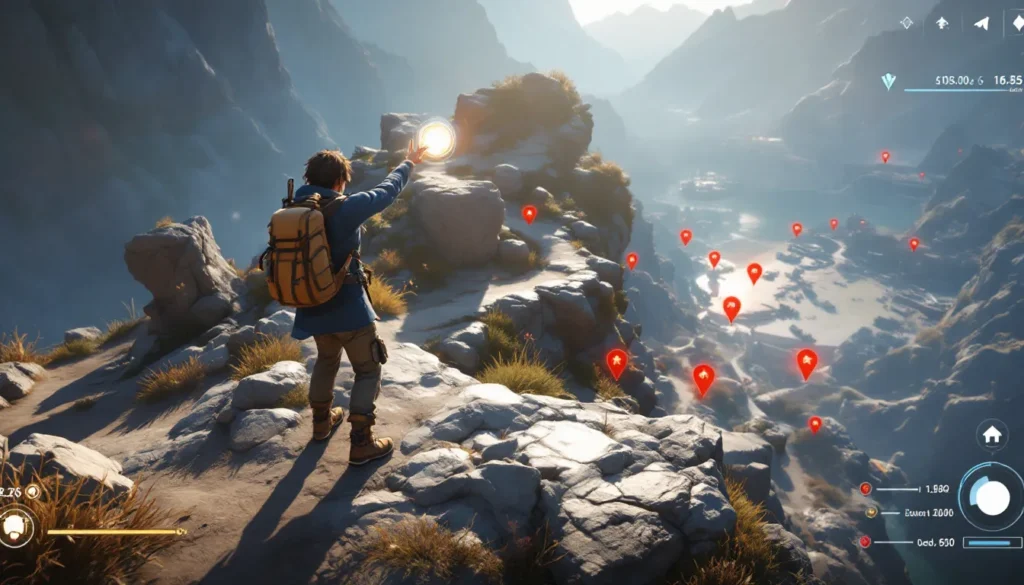
Collecting all 131 geoculus scattered across Teyvat isn’t just a collectathon for completionists, it’s a core progression mechanic that unlocks the Statues of The Seven across Liyue’s region. If you’re hunting for that last geoculus to max out your statue or trying to squeeze out every last bit of Adventurer Rank, you’ve probably discovered that these little geo-elemental resonance stones don’t always jump out at you. Some nestle in tight crevices, others hide behind environmental puzzles, and a few require specific character abilities to access. This 2026 guide maps every single geoculus location in Liyue, Dragonspine, and Mingyun Village, plus the tactics and tools that’ll cut your hunting time from hours to minutes. Whether you’re on PC, PS5, Xbox, or mobile, the locations stay the same, your approach just needs to be strategic.
Table of Contents
ToggleKey Takeaways
- All 131 geoculus locations in Genshin Impact are spread across Liyue, Dragonspine, and Mingyun Village, with each region requiring different strategies and character abilities to access them efficiently.
- Collecting geoculus increases your Sacred Seal level and provides significant rewards including stamina boosts, Primogems, and achievement progress that enhance gameplay performance and progression.
- Use interactive community maps, the in-game Treasure Compass, and mobility-focused characters like Venti and Kazuha to dramatically cut geoculus hunting time from hours to minutes.
- Geoculus hunting success depends on stamina management, systematic regional routing, and avoiding common mistakes like rooftop blindness and multi-geoculus cluster misses that waste time and effort.
- Dragonspine geoculus locations require pyro characters for warmth and careful climbing technique, while Mingyun and Qingce areas offer beginner-friendly geoculus placements with minimal environmental hazards.
What Is A Geoculus And Why You Need To Find Them
Understanding Geoculus Mechanics
A geoculus is a tiny floating orb infused with geo-elemental energy, think of it as Liyue’s regional specialty collectible. When you step near one, a faint chime plays and a small icon appears on your compass, making them slightly easier to pinpoint than some other hidden items. They don’t require combat, special puzzles, or element reactions to grab: just proximity and sometimes precise platforming.
Unlike anemoculus in Mondstadt or electroculus in Inazuma, geoculus specifically feed the Statues of The Seven in Liyue. There are two statues you can interact with: one near Liyue Harbor’s eastern edge and another in Mingyun Village. Offering geoculus to these statues increases your Sacred Seal level, which is entirely separate from your actual character level progression.
Benefits Of Collecting All Geoculus
Maxing out the Statue of The Seven isn’t mandatory, you won’t die without it, but the rewards justify the hunt. Offering geoculus grants:
- Stamina Increase: The most direct benefit. Completing all geoculus boosts your maximum stamina significantly, letting you glide further, climb longer, and escape combat situations without running dry.
- Primogem Rewards: The Statue itself rewards Primogems for reaching specific seal levels, so partial completion still nets you pulls for the gacha system.
- Achievement Progress: Multiple geoculus-hunting achievements exist, and they’re counted toward your overall completion percentage.
- Challenge Access: Some domains and quests scale based on your Sacred Seal level, subtly rewarding dedicated collectors.
Beyond mechanics, completionists know the feeling: seeing that empty slot on your map stops gnawing at you once you’ve claimed it. For players tackling harder content like Spiral Abyss or recent Domains, that extra stamina margin can mean the difference between a restart and a clear.
Liyue Geoculus Locations
Liyue hosts the bulk of geoculus across Genshin Impact’s mainland regions. The distribution isn’t random, miHoYo clustered them around landmarks, quests, and puzzle areas to encourage exploration.
Northern Liyue Geoculus Hotspots
Northern Liyue spans from the coast near Wangshu Inn eastward to the Qingce region. This area contains roughly 20 geoculus.
Wangshu Inn & Starfell Valley:
- One geoculus floats directly above Wangshu Inn’s roof, climb the exterior or use a tall character’s burst.
- Another sits on the small island southeast of the inn, accessible by gliding or swimming.
- Inside the Starfell Valley domain entrance area, one geoculus rests on a rock formation just north of the waypoint.
Qingce Region & Vicinity:
- Multiple geoculus cluster around Qingce Village itself: three sit atop or near structures in the village proper.
- One hides on a cliff ledge overlooking the village to the south, requires careful platforming or a plunging attack from a higher vantage.
- A tricky one floats above the eastern mountain peak near Qingce: getting there demands climbing or using characters like Kazuha or Venti for mobility.
Bishui Plain:
- Two geoculus inhabit this plain: one near the center where adventurers camp, another closer to the Liyue border.
- The second one requires descending into a small ravine: watch your stamina bar.
A dedicated farming route hits all northern spots in roughly 8-10 minutes if you know the exact path. Interactive maps help, but muscle memory from repeating the route beats map-checking every 30 seconds.
Central And Southern Liyue Geoculus Clusters
Central Liyue, anchored by Liyue Harbor and the coastal regions, holds the densest geoculus concentration. Southern areas toward Mt. Hulao and the Chasm extend the count further.
Liyue Harbor & Surroundings:
- One geoculus sits atop the fancy roof structure near the Adventurers’ Guild, requires precise climbing or a burst-based height gain.
- Another floats near the docks on the east side, directly above the water on a small outcropping.
- Inside the harbor’s upper market, one geoculus perches on a building corner: use nearby climbing points or a ranged character to snag it.
Mingyun Village Approach:
- Three geoculus line the path toward Mingyun: one on a cliff overlooking the coastal road, two more clustered near the Teleport Waypoint once you arrive.
- One geoculus requires solving a simple pressure plate puzzle near Mingyun’s entrance: follow the game’s visual cues.
Cuijue Slope & Luhua Shoal:
- Cuijue Slope hosts three geoculus on its rocky slopes. One is elevated: two sit lower and are easier grabs.
- Luhua Shoal, south of the slope, contains two geoculus near water, one on an island that’s accessible by wading, another on the beach itself.
Mt. Hulao Region:
- The area around Mt. Hulao and the path down toward the Chasm entrance hides four geoculus.
- One sits on a high plateau, accessible via climbing or a well-timed glide from an upper ledge.
- Two more hide within the mountainous terrain: follow rock formations and look for natural alcoves.
- The final one in this cluster requires entering a small cave chamber: it’s not locked behind combat, just tucked inside.
Southern Liyue, especially around the Chasm, contains roughly 15-18 geoculus across all sub-regions. The spread makes systematic mapping crucial, jumping randomly wastes stamina and time.
Dragonspine Geoculus Locations
Dragonspine is Genshin Impact’s harsh, snow-covered mountain region. Geoculus here sit among icy cliffs, hidden caves, and puzzle chambers. The region contains approximately 10 geoculus, most requiring environmental awareness and sheer climb technique.
Hidden And Hard-To-Reach Geoculus In Dragonspine
Entombed City & Caverns:
- Two geoculus hide inside the Entombed City area. One floats in the main chamber: the other requires navigating a side passage accessible only if you solve the cryo-puzle near the entrance.
- Both are reachable without specific elements, but having Amber or a bow-wielder handy helps you aim for floating orbs from distance.
Skyfrost Nail Area:
- This landmark hosts one geoculus on a nearby cliff face overlooking the Nail itself. Climbing up from the base takes patience: the wall is tall and offers few grip points.
- One more sits on the eastern ridge: this one’s easier if you approach from the upper Dragonspine waypoint.
Dragonspine Peak:
- The highest point of Dragonspine contains two geoculus. One sits on an isolated peak: you’ll need to climb from a nearby mountain and make a precise glide jump.
- The other floats in a cave chamber that opens up from the peak’s north face, don’t miss the small entryway.
Ruin Sentinels & Frost Lawachurl Camps:
- Two geoculus spawn near enemy camps. One hovers above a Frost Lawachurl encampment: you don’t have to fight the Lawachurl, but moving carefully keeps you safe from aggro.
- Another sits on a ledge near Ruin Sentinel ruins: this one is easier and often overlooked because players assume it’s behind combat.
Frostbearing Tree & Surrounds:
- If you’ve been to the Frostbearing Tree shrine, you know the immediate area. One geoculus floats just south of the tree on a lower platform.
- The tree itself has a warming mechanism: use it if you’re low on warmth and need to survive the environment while climbing to grab a nearby geoculus.
Dragonspine is brutal on stamina. The cold environment slowly drains health if you’re not warm enough, and climbing with depleted stamina leads to falls. Bring Amber, Xiangling, Bennett, or any pyro character to light campfires and boost warmth. Plan your geoculus route in Dragonspine with rest stops in mind, otherwise you’re respawning at a waypoint and losing progress.
Mingyun Village And Surrounding Areas
Mingyun Village is a compact settlement perched on a hillside above the coast. It’s home to one of the two Statues of The Seven in Liyue. The village and its immediate surroundings contain roughly 8-10 geoculus, most accessible without heavy traversal.
Qingce Village Geoculus Placements
Qingce Village, technically separate from Mingyun but part of the same regional cluster, hosts several straightforward geoculus.
Village Center & Rooftops:
- Two geoculus sit on or near structures within the village proper. One is on a rooftop on the western side: jump from a nearby rock or use a tall character’s burst to reach it.
- Another floats near the village’s northern entrance, just above ground level: it’s visible from the main path in and is often grabbed within seconds of arriving.
Village Perimeter:
- One geoculus sits on the cliff edge to the east, overlooking the valley. It’s perched on a narrow ledge: approach from above if possible to avoid a risky jump.
- Two more hide on the hillside slopes around the village, one to the south, another to the northeast. Both are accessible via climbing, though the northeast one requires navigating past some trickier terrain.
Interior Chambers & Caves:
- If you’ve completed quests or exploration in Qingce, you’ve likely entered small chambers. One geoculus hides inside a side cave accessible from the village’s lower sections: it’s not locked behind a puzzle, just tucked away.
- Another sits in a small chamber that connects to the main village, check your map carefully or use your compass proximity cue.
Mingyun Proper:
- Three geoculus cluster directly around the Mingyun waypoint and statue. One sits on the statue’s platform itself, the developers made this one almost gift-wrapped for you.
- Another floats above a building structure to the south: use ranged attacks or a height-gaining character ability.
- The third sits on a cliff to the west: it’s visible from the waypoint but requires a short climb or glide jump.
Coastal Approach Path:
- Two geoculus line the path from Liyue Harbor toward Mingyun. One sits on a cliff overlooking the coastal road: it’s often spotted while traveling but tricky to grab without backtracking.
- The other floats near a bridge or rocky outcrop: this one’s straightforward and rarely missed by attentive players.
Mingyun Village and Qingce are among the most beginner-friendly geoculus clusters. The terrain is forgiving, and most orbs don’t hide behind puzzles or environmental hazards. They’re an excellent starting point if you’re new to geoculus hunting and want quick wins before tackling Dragonspine’s tougher spots.
Tools And Resources For Efficient Geoculus Hunting
Geoculus hunting becomes exponentially faster with the right tools. Whether you’re using in-game mechanics or community resources, these systems cut wasted time drastically.
Interactive Maps And Community Resources
Community-driven interactive maps have become indispensable for geoculus collection. These maps let you:
- Mark Collected Geoculus: Tick off orbs you’ve already grabbed, so you don’t revisit them.
- Filter by Region: Focus on one area at a time instead of jumping across the map chaotically.
- View Video Walkthroughs: Hover over a marker and watch a 10-30 second clip of exactly how to reach that geoculus, invaluable for hard-to-reach ones.
Popular options include Game8, which has comprehensive Genshin guides with geoculus location videos, and Twinfinite, which provides detailed walkthroughs with step-by-step instructions. Also, Reddit communities like r/Genshin_Impact and dedicated wikis host crowdsourced maps that are frequently updated.
Many players also use GameRant for geoculus guides written by veteran players who explain not just where geoculus are but why they’re tricky and how to approach them.
For pure efficiency, screenshot or bookmark an interactive map while you hunt. Open it on a secondary device or split-screen if possible. Checking the map every 30 seconds beats checking every 5 seconds, you’re looking for clusters, not individual orbs.
In-Game Aids And Treasure Compass Usage
Genshin Impact itself provides a tool made specifically for this: the Treasure Compass. This item, obtained from leveling up the Liyue Reputation system, will point you toward nearby Luxurious Chests and Exquisite Chests. Geoculus don’t trigger it directly, but exploring areas the compass highlights often uncovers overlooked geoculus in the same regions.
Beyond the Compass, your Elemental Sight (activated via keyboard shortcut or your character’s special vision mode) reveals nearby interactable elements. While geoculus don’t glow specifically, using Elemental Sight helps you visualize the terrain, which aids in spotting hidden ledges or crevices where geoculus hide.
Your Compass’s Range Indicator is massive, it scans a huge radius around your character. If you’re standing still and the compass isn’t chiming, a geoculus likely isn’t within your immediate circle. This tells you when to move on or when to slow down and search more carefully.
Character abilities also function as tools. Venti’s charged attack launches you high, letting you reach elevated geoculus. Kazuha’s elemental skill grants extra height on his jump, enabling access to clifftop orbs. Mika’s passive ability displays climbing stamina consumption, which helps you calculate if a geoculus climb is feasible before committing stamina. Having these characters in your active roster dramatically speeds up collection.
The in-game journal also tracks progress if you mark geoculus as you grab them, though this is manual and easy to forget mid-hunt. Community maps handle tracking better than the journal’s interface.
Pro Tips For Maximizing Your Geoculus Collection
Experienced geoculus hunters follow patterns and strategies that shave hours off the grinding process. Here’s what separates a 20-hour hunt from a 5-hour one.
Overcoming Environmental Challenges
Stamina Management: This is the single biggest bottleneck. Climbing a tall cliff or gliding across a gap drains stamina fast. Build your stamina bar as much as possible early, prioritize geoculus hunting after you’ve already grabbed anemoculus or electroculus elsewhere, so you’re practiced. If a geoculus sits on a high cliff, approach from a higher vantage point first, then glide down to it. Gliding costs far less stamina than climbing back up.
Temperature & Environmental Hazard Avoidance: In Dragonspine, cold will kill you faster than enemies. Before hunting there, ensure you have pyro characters or food items that grant warmth. Similarly, areas with electro hazards (none in Liyue proper, but adjacent regions) are manageable if you avoid standing in water while enemies cast electro.
Puzzle Prerequisites: Some geoculus float above domains or puzzle areas. You may need to solve a minor elemental puzzle first. These puzzles are usually simple (hit a button, activate two switches, defeat a single enemy), but they’re mandatory. If a geoculus seems unreachable, check the ground nearby for activate-able objects.
Water-Based Geoculus: A few geoculus float above water. Swim to them or use ranged characters to grab them from distance. If you’re playing on mobile, swimming and camera control together are clunky, use a ranged character for these spots.
Tracking Progress And Staying Organized
Regional Spreadsheet Tracking: Create a simple spreadsheet (Google Sheets works) with region names and checkboxes. As you clear each geoculus, mark it. Seeing your progress bar fill feels rewarding and prevents redundant hunts.
Route Planning: Don’t jump randomly across the map. Plan a route through one region, clear all geoculus there, then move to the next. Northern Liyue → Central Liyue → Southern Liyue → Dragonspine → Mingyun is a logical order that minimizes travel.
Video Documentation: If you hit a genuinely stuck geoculus, record a short video of your attempt. Replay it later or share it on Reddit’s geoculus help threads. Seeing where you went wrong often reveals a simple fix, a ledge you missed, a direction you climbed from that doesn’t work, etc.
Time Block Your Hunts: Don’t try to grab all 131 in one session. Do 20-30 per session, then take a break. Fatigue makes you miss obvious ones, and your eyes get tired spotting tiny floating orbs.
Use Waypoints Strategically: Fast travel to a waypoint, clear geoculus in that cluster, then teleport to the next waypoint. This beats running across the map on foot constantly. Most geoculus clusters have a waypoint within 2-3 minutes of them.
Common Mistakes And How To Avoid Them
Newcomers to geoculus hunting often make predictable errors that waste time and create frustration. Knowing these pitfalls means you skip them entirely.
Frequently Missed Geoculus Locations
Rooftop Blindness: Players often assume rooftop geoculus require intricate platforming. In reality, many sit directly accessible on low roofs near villages. Walk past a building, look up, there it is. The mistake is underestimating how obvious some placements are: you’re searching for hidden ones while obvious ones stare at you.
Island & Water Geoculus Ignorance: Geoculus float above small islands and rocky outcrops in the water. Newer players assume water areas are low-priority. They’re not. Approximately 8-10 geoculus hide in water-adjacent areas. Swimming or wading toward them costs minimal stamina and nets quick wins.
Interior Cave Misses: Caves and interior chambers host geoculus, especially in Dragonspine. Many players explore the overworld first and skip interiors. This is backward: interiors protect geoculus from wind and make them easier to spot without distraction.
Elevation Misjudgment: You spot a geoculus on a distant cliff and think it’s unreachable. Explore the surrounding terrain first. Often, a path winds around the cliff from a different direction, making it accessible. What looks impossible from one angle is trivial from another.
Multi-Geoculus Cluster Blindness: Some areas have 3-4 geoculus within 50 meters of each other. Players grab one and leave, missing the others nearby. Use the compass cue as a signal to slow down and scan the immediate area thoroughly before moving on.
Character Abilities That Help Access Difficult Spots
Specific characters dramatically simplify otherwise brutal geoculus grabs:
Venti: His charged shot launches you upward. Aiming at the ground and releasing gives height gain that’s unmatched. Any elevated geoculus becomes accessible.
Kazuha: His Chihayabushi elemental skill grants height mid-jump. Combining this with gliding or double-jumping opens routes other characters can’t reach.
Mika: While not a mobility character, his passive tracks climbing stamina cost reduction, letting you know if a climb is feasible before you commit.
Lumine/Aether (Geo construct): If you leveled these characters’ geo abilities, the Geo Resonance burst creates a platform. Positioning it properly lets you reach high geoculus without raw climbing.
Bennett: His elemental burst creates a healing zone. On high-altitude geoculus hunts in cold areas, keeping Bennett’s burst active while climbing ensures you don’t die mid-ascent.
Amber: Her Baron Bunny ability can be timed to explode upward, giving a slight height boost. It’s niche but occasionally helpful for awkward angles.
Building a team with at least one mobility-focused character should be standard for geoculus hunting. If you lack Venti or Kazuha, prioritize expanding your roster or using your existing characters’ elemental abilities creatively, many bursts grant temporary flight or height boosts.
Conclusion
Collecting all 131 geoculus is a marathon, not a sprint. With the 2026 layout of Genshin Impact unchanged since earlier versions, the locations remain consistent across PC, PS5, Xbox, and mobile. Your approach should blend systematic exploration, community resources, and character selection to maximize efficiency.
Start with interactive maps and a regional strategy. Knock out Mingyun and Qingce first for confidence-building, move through Liyue’s northern and central clusters, tackle southern Liyue, and save Dragonspine for when you’ve built stamina and team synergy. Bring characters like Venti or Kazuha for mobility and ensure you have pyro support for Dragonspine’s warmth mechanic.
By treating geoculus hunting as a structured activity rather than a side quest to stumble through, you’ll have your Statue of The Seven maxed, your Sacred Seal leveled, and that satisfying 100% region completion in hours, not weeks. The stamina and primogem rewards justify the effort, and the experience sharpens your navigation skills across Teyvat’s trickier terrain.
Hunting efficiently and staying organized transforms a tedious grind into a rewarding exploration loop. Now get out there, grab all 131, and stop that nagging feeling that you’re leaving completion points on the table.