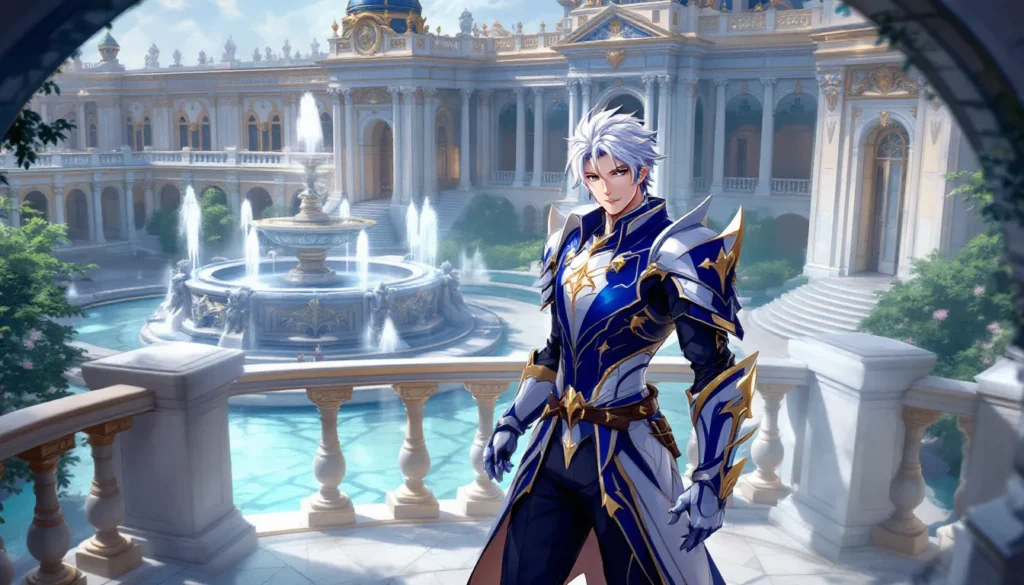
Fontaine is finally here, and it’s nothing short of a game-changer for Genshin Impact. Released in Version 4.0 (September 2023), this underwater nation has expanded Teyvat in ways players never imagined, literally and figuratively. The region brings fresh exploration mechanics, jaw-dropping underwater environments, and some of the most story-rich content HoYoverse has delivered to date. Whether you’re diving for hidden chests, hunting for Fontaine’s unique collectibles, or chasing the latest Hydro Vision users, this guide covers everything you need to dominate the region. We’ll break down the layout, point out hidden treasures, introduce the standout characters, and walk you through the best team compositions for tackling Fontaine’s toughest challenges.
Table of Contents
ToggleKey Takeaways
- Genshin Impact’s Fontaine region introduced revolutionary underwater exploration mechanics as part of a dual-layer world design that fundamentally changed how players approach progression.
- The Archon Quest: Chapter IV features a murder mystery narrative centered on Neuvillette, the Hydro Archon and Chief Justice, and connects directly to the game’s overarching lore about the Abyss.
- Fontaine characters like Neuvillette, Clorinde, and Wriothesley introduced unique scaling mechanics (DEF-based DPS, Aggravate synergies) that became instant meta staples and shaped endgame team compositions.
- Over 500 collectible items including Fontaine Exploration Progress, Flotsam, and Precious Chests reward thorough exploration, with artifact domains guaranteeing Cryo/Hydro drops for faster character building.
- Freeze and Aggravate team archetypes dominate Fontaine’s endgame content, with strategic use of Hydro applicators like Furina paired with Cryo or Electro DPS creating the highest damage output.
- Efficient farming requires following 3-day rotation cycles for talent materials, prioritizing artifact domain runs on double-drop weekends, and completing world quests for passive Primogem income.
What Is Fontaine and When Did It Release?
Fontaine is Genshin Impact’s fifth major region and the nation of justice, ruled by the Hydro Archon, Neuvillette. It officially launched in Version 4.0 on September 28, 2023, introducing a complete underwater dimension alongside traditional land-based exploration. Unlike previous regions, Fontaine operates on a dual-system: you can explore the surface Court of Fontaine and dive beneath the waves into the Romaritime Seafloor and other submerged areas.
The region was designed to fundamentally challenge how players think about exploration. Underwater mechanics aren’t just cosmetic, they’re core to progression. You’ll need the Aqua Sprint gadget to navigate water efficiently, and specific Fontaine characters can unlock underwater domains and puzzles that surface-only adventurers can’t access. This makes Fontaine’s story progression tied directly to exploration capabilities in a way previous regions avoided.
As of 2026, Fontaine remains one of the most content-rich regions in the game, with ongoing quests, rotating events, and seasonal updates that continue to expand the lore. Version 5.0 and beyond have added even more areas within Fontaine, making it larger than initially revealed. If you haven’t dived in yet, now’s the perfect time, the region is fully explorable and regularly updated with new challenges.
Fontaine’s Location in Teyvat
Fontaine occupies the northwestern section of Teyvat, directly connected to Sumeru’s northern border. Geographically, it’s positioned between Sumeru and the ocean, making it a unique transitional zone between land and sea. The region’s layout is vertically stacked: the Court of Fontaine sits on the surface, while multiple underwater layers descend below, creating distinct exploration zones with their own layouts and challenges.
The capital city, Fontaine proper, is instantly recognizable by its Belle Époque-inspired architecture, all white stone facades, fountains, and grand boulevards. It’s a stark contrast to Sumeru’s lush greenery and Inazuma’s traditional Japanese aesthetic. This visual distinctiveness makes navigation intuitive, and landmarks are easy to spot from a distance.
Below the surface, the Romaritime Seafloor serves as the primary underwater hub, with branches leading to specialized areas like the Syncretic Monument and Oasis Garden. These underwater zones require Aqua Sprints to traverse efficiently and contain some of the rarest collectibles in the game. Understanding Fontaine’s vertical geography is essential for efficient farming and treasure hunting, vertical movement is just as important as horizontal navigation.
Main Storyline and Archon Quest
Fontaine’s main storyline centers on the Archon Quest: Chapter IV, which unfolds across five acts spanning multiple patches. The narrative is a murder mystery mixed with political intrigue, starring Neuvillette as the region’s Hydro Archon and Chief Justice of Fontaine’s court system. The story explores themes of justice, redemption, and the nature of the Abyss, connecting it directly to Genshin Impact’s overarching lore.
To access Fontaine’s Archon Quest, you’ll need to complete Sumeru’s Chapter III and reach Adventure Rank 35 minimum. The early acts introduce the region’s key players and establish the central conflict. Later acts dive (pun intended) into underwater exploration and reveal major lore that connects to the Unknown Goddess and the Heavenly Principles, the series’ central mythology.
Key Characters and NPCs
Neuvillette is Fontaine’s powerhouse, both as a character and narratively. He serves as the Chief Justice and holds immense authority within Fontaine’s government. As an actual dragon in human form (not just “dragon-themed”), his presence reshapes how players understand Archons. Other key NPCs include Wriothesley (the Duke of Meropide Prison), Charlotte (a journalist investigating corporate corruption), Sigewinne (a Melusine healer with deep lore connections), and Clorinde (the Champion Duelist and the Cryofreeze Clan’s leader).
Each character has personal quests and story missions tied to Fontaine’s Act progression. Completing their quests unlocks not just lore, but also respectable Adventure Experience and Primogems, essential for players pushing toward Fontaine’s endgame.
Important Quests and Story Events
Fontaine features multiple World Quest chains that expand on regional lore. The most significant include the Melusine exploration chains, which reveal the tragic history of Fontaine’s deepest residents. These quests reward Fontaine Exploration Progress (equivalent to Anemoculi and Geoculi from previous regions) and hidden chests.
Seasonally rotating events like Aquatic Amuse and Mysteriously Aquatic Domains offer limited-time challenges with exclusive rewards. Check the in-game event tab regularly, these events often drop rare talent materials and upgraded weapon blueprints. The story events are tied to patch cycles, so availability shifts every 3 weeks. If you miss an event, the rewards don’t return until the following year’s rerun.
Exploration and Collectibles
Fontaine’s exploration is fundamentally different from other regions due to its dual-layer design. The surface Court of Fontaine contains traditional collectibles (Chests, Anemoculi equivalents, and interactive puzzles), while underwater areas introduce new mechanics and resource types. This dual-system rewards players who engage with both surface and depth exploration.
Collectibles in Fontaine include Fontaine Exploration Progress (replacing previous region’s standard currency), Flotsam (unique underwater loot), and Precious Chests hidden in cryptic underwater caverns. The region boasts over 500 collectible items, making 100% exploration a genuine time investment. Use the interactive map on twinfinite.net to pinpoint exact locations, manually searching blind wastes hours.
Underwater Mechanics and Puzzles
Underwater exploration requires the Aqua Sprint gadget (obtained early in Fontaine’s questline). This device lets you dash through water, essential for reaching distant chests and solving pressure-based puzzles. Some puzzles demand you activate switches while Aqua Sprinting, timing is everything, and practice makes perfect.
Pressure mechanics are unique to Fontaine’s depths. Certain areas have high water pressure that damages you if you stay too long. You must either use characters with Hydro shields (like Neuvillette or Zhongli) or blast through pressure zones quickly with Aqua Sprints. Teleport Waypoints are strategically placed to minimize backtracking, but knowing their locations saves enormous amounts of time.
Puzzle types include elemental activation (shoot Hydro currents to open gates), timing challenges (sprint through moving obstacles), and block-sliding mechanics (rearrange underwater blocks to form bridges). Unlike Sumeru’s Dendro puzzles, underwater puzzles don’t have a single “meta” character, they reward adaptability and problem-solving.
Chests, Oculi, and Hidden Treasures
Fontaine contains approximately 180 chests split between Common, Exquisite, and Precious variants. Precious Chests are the rarest, often hidden in multi-layer underwater caverns or locked behind story progression. Opening all chests yields roughly 15,000+ Primogems, massive for free players.
Fontaine Exploration Progress (the region’s collectible currency) appears as glowing orbs throughout the world. You’ll need roughly 80% of them to unlock all regional rewards. They’re hidden in obvious spots (on cliffs, inside caves) and obscure locations (inside Seelie trails, behind destructible walls). Use the interactive map religiously here, finding every single one without a guide is borderline impossible.
Flotsam and Driftbloom Seed are underwater-exclusive resources used for cooking regional specialties and crafting domain materials. They respawn on long timers (roughly 3 days), so if you’re farming these, set calendar reminders.
Domains and Ley Line Outcrops
Fontaine introduces five new domains, each with distinct difficulty levels and reward tables. Unlike previous regions, Fontaine’s domains are underwater-locked, you can’t enter them without progressing through the story and unlocking the Aqua Sprint gadget.
Domains of Mastery (Fontaine) are the primary artifact farming locations, dropping Hydro and Cryo artifact sets used by Fontaine’s newest characters. These domains have three difficulty tiers: Adept, Elite, and Apex. Apex difficulty (Recommended AR 50+) yields the best artifact drop rates but requires optimized teams. Running these 5–7 times per week is standard for players building Fontaine characters.
Talent Material Domains drop ascension books specific to Fontaine characters. These rotate on a 3-day cycle (Monday-Thursday, Tuesday-Friday, Wednesday-Saturday, with double drops on weekends). Plan your talent farming around these rotations, running the wrong domain on a Monday costs efficiency.
Ley Line Outcrops (Fontaine’s equivalent of Frostbearing Tree challenges) appear in three locations within the region. Completing them grants Fontaine Primogems, Talent Books, and Mora. These reset weekly, making them reliable passive income for Primogems. Defeat the Ley Line Outcrop boss in under 10 minutes to earn extra rewards, this timer is tight and demands optimized DPS.
Domain mechanics in Fontaine lean heavily on elemental reactions. Hydro Hypostasis expects Cryo or Dendro debuffs, while Pneumodesmus (an underwater construct) requires Electro to interrupt attacks. Study each domain’s mechanics before committing to a full clear, winging it wastes resin.
Elite Enemies and Boss Battles
Fontaine’s elite enemy roster is noticeably tougher than previous regions, reflecting the increased power ceiling of 2026-era Genshin Impact. Mapless Encounters (mini-bosses scattered across the open world) have 30–40% more HP than their Sumeru counterparts and deal significantly more damage. Underestimate them, and even mid-level characters will wipe.
The signature World Boss is Hydro Hypostasis, a construct-type enemy weak to Cryo and Dendro. Its attack pattern is predictable: charge attacks follow a 3-second tells, AOE blasts occur on cooldown, and healing phases create windows for burst damage. Solo players should bring a Cryo DPS (like Ayaka or Ganyu) and a Dendro applicator (like Nahida) to maximize damage output. Group play (if available) trivializes the fight entirely.
Pneumodesmus (the second world boss) is an underwater-exclusive encounter requiring the Aqua Sprint gadget. It’s an agile, annoying target that demands precise aiming and constant repositioning. Electro is its primary weakness, making Fischl or Raiden Shogun essential for efficient clears.
Domains for Artifact and Talent Materials
Fontaine’s Crimson Wish Domains (artifact farms) drop the Marechaussee Hunter set (Crit/ATK focused for physical DPS) and the Unfinished Reverie set (Hydro and Cryo hybrid builds). These artifact types directly support Fontaine’s new characters, so farming here pays dividends if you’re building the region’s roster.
Most importantly, Fontaine domains have guaranteed Cryo/Hydro artifact drops in their reward tables, no more praying for the right element. This design change makes building characters significantly faster than farming Sumeru or earlier regions. Run these domains 8–10 times per week to furnish a full team.
Must-Visit Areas and Landmarks
Fontaine’s landmark design is exceptional. Unlike Sumeru’s scattered puzzle-dungeons, Fontaine clusters its key locations into visually cohesive districts. Each area has thematic consistency and narrative weight, nothing feels like empty padding.
The Court of Fontaine
The Court of Fontaine (the main city) is a sprawling white-marble district centered around the Palace of Merecie (Neuvillette’s judicial headquarters). Walking through the city reveals elegant architecture, busy NPCs with daily routines, and hidden alcoves containing world quests. The city has three tiers: the upper Court (government buildings), the middle district (merchant stalls and inns), and the lower harbor (fishing docks and water access). Exploring tier by tier reveals the region’s socioeconomic hierarchy, excellent worldbuilding.
Key locations within the Court include the Grand Hotel Debord (a luxury inn), the Chasm Cavern (connecting to underground areas), and the Fisherman’s Wharf (housing multiple side quest lines). Interacting with NPCs in these locations triggers dialogue trees that reveal lore about Fontaine’s political situation.
The Romaritime Seafloor
The Romaritime Seafloor is Fontaine’s primary underwater hub and the largest submerged area. It spans multiple vertical levels, with each depth tier introducing new enemies and collectibles. The upper level (shallow water) is accessible early and contains basic chests. The middle level requires partial story completion and houses more Precious Chests. The deepest level, accessed only after completing major Archon Quest acts, contains rare treasures and a secret boss encounter.
Underwater navigation uses current systems, orange/red currents pull you forward, while blue currents slow you down. Learning to read these currents lets you skip manual Aqua Sprint usage and conserve stamina. The seafloor’s design is vertical-first: progressing through story quests unlocks deeper areas rather than opening new horizontal zones.
Syncretic Monument and Oasis Garden
The Syncretic Monument is a sunken historical site containing theories about the collapse of Fontaine’s ancient civilization. It serves as a puzzle-dungeon, requiring you to activate underwater switches in the correct sequence. The puzzle design is genuinely tricky, expect to spend 20–30 minutes solving it blind. The reward is a Precious Chest and significant lore exposition about the Abyss.
The Oasis Garden is a smaller, hidden underwater area accessed through a narrow passage. It contains rare eco-spawning points for Eremite plants (crafting materials) and housing for the region’s only passive income-generating reputation system. Complete the garden’s regional quests to unlock daily “exploration tasks” that grant +2000 Mora daily, trivial, but it adds up over months.
New Fontaine Characters and Vision Holders
Fontaine’s character roster introduced some of the game’s most meta-defining units. As of Version 5.3 (2026), the region has released 12 playable characters, with more coming in future patches. The earliest Fontaine characters (Neuvillette, Nahida’s Fontaine variant, Clorinde) became instant staples in endgame teams. Newer releases focus on niche roles, filling gaps in existing meta compositions.
Neuvillette is arguably the single strongest DPS released since Kazuha. His Normal ATK chains grant Nightsoul Blessing stacks, enabling massive AoE Charged ATK damage. At C0 (no constellations), he’s viable. At C2+, he becomes a broken stat-stick that clears Abyss solo. His Charged ATK cost is partially recovered via passive stat triggers, making his playstyle energy-efficient even though high upfront costs.
Hu Tao’s counterpart, Wriothesley, is a Cryo DPS who scales on DEF instead of ATK, a unique gimmick. He enables Freeze teams without Shenhe, lowering the barrier to entry for Cryo comps. His Charged ATK freezes enemies regardless of element, providing crowd control plus to damage.
Clorinde is the region’s first Electro DPS, designed to abuse Aggravate teams alongside Fischl and Nahida. She fills a niche that previously didn’t exist (off-field Electro applicator paired with a strong Electro DPS). With proper rotations, Clorinde’s DPS ceiling rivals Hu Tao and Raiden Shogun.
Hydro Vision Users and Their Roles
Fontaine’s Hydro users include Neuvillette (DPS), Furina (Support/Hydro applicator), and Charlotte (Healer/Hydro sub-DPS). Each fills a distinct niche, and combining any two creates powerful synergies.
Furina is unique: she’s a Hydro applicator who scales Hydro damage based on her max HP. She’s usable in Vaporize, Freeze, and even Bloom teams, making her absurdly versatile. Her Burst ability triggers additional Hydro procs, enabling consistent off-field application without field time. She’s effectively a better Yelan for Hydro-focused teams.
Charlotte heals via Normal ATKs while applying Hydro off-field. Her healing output scales on ATK, not HP, making her builds straightforward. She’s ideal for players prioritizing survivability over raw damage, a crutch for newer players building endgame teams.
Understanding each character’s role and stat scaling is essential for team building. Refer to game8.co for updated tier lists and detailed build guides, meta shifts happen every patch, and external resources update faster than any single guide.
Best Team Compositions for Fontaine Content
Fontaine’s content demands specific team archetypes. Unlike Sumeru (which favored Dendro reactions), Fontaine rewards Cryo-Hydro synergies (Freeze teams) and Electro-Hydro combinations (Aggravate/Electrocharged). Building at least one strong team in each archetype ensures you can clear any Abyss iteration.
Freeze Team Example:
- Main DPS: Ayaka (Cryo DPS)
- Off-field Cryo: Ganyu (Cryo applicator)
- Hydro Applicator: Furina or Neuvillette (Hydro support)
- Flex: Kazuha (Elemental Damage Bonus) or Kokomi (Healing)
This composition enables consistent Freeze uptime, allowing Ayaka’s Charged ATKs to chain without interruption. Damage output easily hits 15k+ per Charged ATK with proper artifacts.
Aggravate Team Example:
- Main DPS: Clorinde (Electro DPS)
- Off-field Electro: Fischl (Electro applicator)
- Dendro Support: Nahida (Dendro applicator)
- Flex: Bennett (ATK buffer) or Kazuha (Elemental damage)
This team abuses Aggravate reaction stacking, where each Dendro application triggers a separate Aggravate proc. At C6 (max constellations), Fischl applies Electro so frequently that Aggravate procs reach 5+ per second. Damage becomes absurd.
Weapons and Artifacts for Fontaine Characters
Neuvillette scales on ATK and Crit Damage. Optimal weapons are Lost Prayer to the Sacred Winds (5-star catalyst with Crit Damage substat) or The Widsith (4-star catalyst with Crit Damage). Artifacts: Marechaussee Hunter (Crit/ATK focused) or Noblesse Oblige (Team-wide ATK buff).
Clorinde needs Crit Rate and Crit Damage, with secondary priority on Electro DMG Bonus. Best weapons: Primordial Jade Cutter (5-star sword) or Black Sword (4-star Battle Pass sword). Artifacts: Marechaussee Hunter or Emblem of Severed Fate (Burst DMG focused).
Wriothesley scales on DEF and Crit Damage, unusual for a DPS. Weapons: Mistsplitter Reforged (5-star sword) or Harbinger of Dawn (free 3-star with Crit Damage). Artifacts: Marechaussee Hunter or Tenacity of the Millelith (DEF buff).
Generally, prioritize Crit Rate/Crit Damage > Elemental DMG Bonus > Stat-Scaling (ATK/DEF/HP). Ignore Energy Recharge unless your character requires it for consistent Burst rotations. Check rpgsite.net for in-depth weapon comparisons and optimal main stats by character.
Tips for Progressing Through Fontaine
Fontaine progresses in traditional Acts, with each Act unlocking new exploration zones and enemy types. Pacing matters, rushing the story locks you out of free collectibles in currently-accessible areas.
Recommended Adventure Rank and Preparation
You should hit Adventure Rank 35+ before touching Fontaine’s Archon Quest. This level ensures your party is appropriately geared and your characters have meaningful talent upgrades. Lower AR players get stomped by World Bosses and face grueling grinding afterward.
Before starting, stock up on Healing Potions (HP restoration consumables) and Elemental Damage-boosting food (buffs matching your main DPS’s element). Fontaine’s early bosses hit hard, and healing item access is limited in underwater combat.
Have at least one Hydro character built to reasonable damage levels. Hydro is essential for specific puzzles and secret encounters. Xingqiu (free from Spiral Abyss) is sufficient: you don’t need a 5-star Hydro DPS. Similarly, build a Cryo applicator (Ganyu, Ayaka, or Shenhe) for Freeze team experimentation.
Efficient Farming Strategies
Once you’ve reached Fontaine’s endgame (completion of all Acts), farming becomes repetitive. Optimize your routes:
Artifact Farming: Run the same domain 5–7 times per week during optimal days (weekends for double drops). Never farm artifact domains on single-drop days unless desperate. Prioritize leveling one team fully before branching to sub-DPS characters.
Talent Material Farming: Follow the 3-day rotation cycle strictly. Farm books on optimal days, then run boss domains on off-days to minimize wasted resin. Talent levels 6→8 scale dramatically in damage output, so prioritize upgrading main DPS talents before supports.
Primogem Collection: Complete all world quests and regional challenges before “done” farming begins. Each world quest grants 40 Primogems, 100 world quests = 4,000 Primogems (roughly 25 wishes). This free currency takes ~10 hours of grinding but pays massive dividends.
Resin Efficiency: Fontaine introduces Domain Challenges (similar to Abyss, but repeatable). These grant Primogems, Mora, and talent books on faster timers than domains. Run these twice weekly, effort vs. reward is favorable.
Use the interactive necromorphous Genshin Impact guide to reference optimal artifact sets and talent priority for your characters. Genshin Impact’s meta evolves fast: consulting external guides prevents wasted resin on obsolete builds.
Conclusion
Fontaine represents a massive leap forward for Genshin Impact’s world design and character roster. The region’s underwater mechanics, layered exploration, and story-rich questlines set a new standard for open-world RPGs. Whether you’re chasing 100% exploration, building meta teams around Fontaine’s characters, or simply soaking in the narrative, the region offers something for every playstyle.
Start with the Archon Quest to unlock core mechanics and story progression. Branch into exploration once you’ve reached Act 2 or 3, this pacing prevents overloading and keeps the story engaging. Prioritize building one strong DPS team before spreading resources across multiple characters: powercreep in 2026 is real, and having a reliable clear team accelerates farming substantially.
Fontaine’s content remains relevant as of 2026, with ongoing patches adding new areas and story chapters. The region is far from “done”, expect major expansions in future versions. For now, immerse, explore at your own pace, and enjoy one of Genshin Impact’s most polished regions to date.